
Enjoy the Process or the Finish Line?
Have you ever set yourself a truly ambitious athletic goal—complete a full marathon, lose 20+ kg or snatch a 100 kg barbell overhead with locked-out arms? We are constantly surrounded by a goal-oriented mindset: everything is focused on the outcome. What often gets overlooked is that the real value lies in the process itself.
If we do not enjoy the process, we may still reach our goal, but then give up and stop setting new ones. A few years later, we may find ourselves back at square one—or even worse off.
Think of an early-morning runner who gets up before the crack of dawn to train diligently day after day. Their goal is to run a personal best in a half marathon in the autumn. All their attention is fixed on the date and the numbers—the seconds they need to shave off their time and the number of kilometres they need to cover. When the focus is solely on the result, each run becomes a means to an end rather than something to enjoy. Could they be forgetting to notice how beautiful the city is in the morning or how good it feels simply to go for a run because it lifts their mood? They follow their training plan as if it were a chore, trying to rush through it to reach the “real” result.
This approach is exhausting, and when we cross the finish line, we often discover a strange sense of emptiness: “What now?” There may be a momentary sense of satisfaction, but if the process has brought neither enjoyment nor a sense of progress, the final goal offers little emotional reward. The thrill of success fades faster than we might expect.
Goals Are Still Necessary
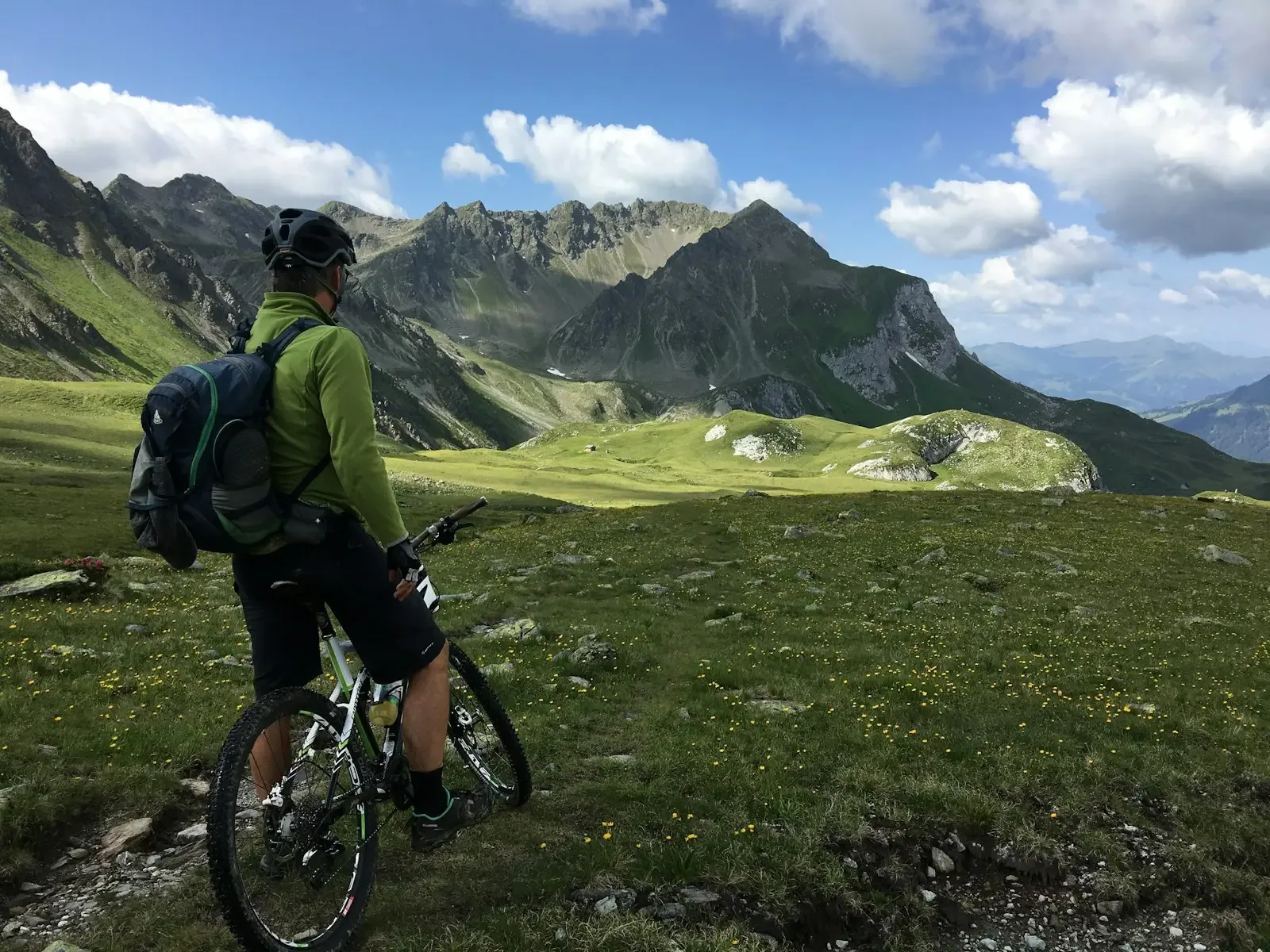
At the same time, a carefully set goal that motivates you and guides your actions is immensely valuable. How can you avoid a one-sided “results above all else” mindset? One option is to view training as a process of self-discovery: as an experiment that helps you understand your body and mind better; as an everyday moment when you can be focused, present and content. For example, a cyclist preparing for the Tartu Rattaralli in early summer could take ten minutes at the end of each training session to analyse how their body responded, what emotions it brought up and what they learned from it. They could also look for small moments of joy—a lovely view along a country road, a joke shared with a training partner or the satisfying feeling in their legs as they powered over a slightly steeper “bump” at full tilt. They will see results in any case, but they do not anxiously await them—they emerge gradually and naturally through dedication and enjoyment.
It is natural for goals to spur us into action. Still, we should not forget that true growth and fulfilment arise along the journey. If we strive only for the finish line, a draining sense of emptiness will soon catch up with us.
If we weave experience, learning and gratitude into every training day, the journey becomes far more enjoyable. A goal is like a compass that helps us stay focused, but every step is worth noticing and fully experiencing. This way, every workout or finish leaves you with a richer experience that has lasting value—and most importantly, you can truly enjoy your daily training and shine at the finish line, too.
